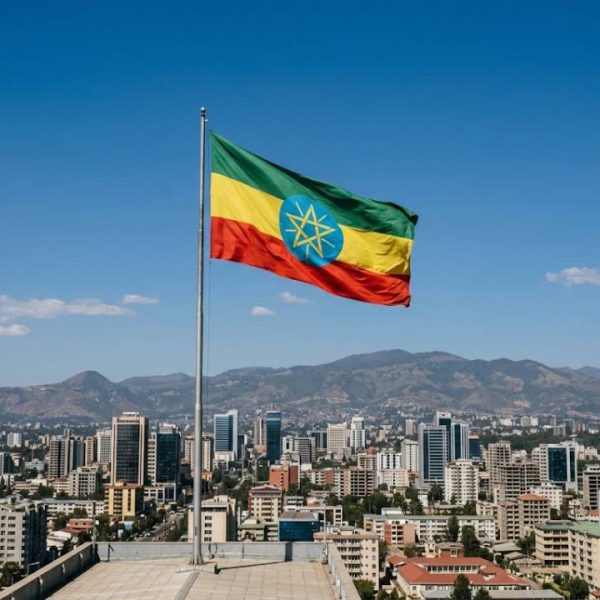
Ethiopia has rapidly emerged as one of Africa’s most closely watched economies, capturing the interest of investors, development agencies, and global businesses alike. With a unique mix of rapid urbanization, strategic geographic positioning, and ambitious economic reforms, the country is transitioning from an agriculture-dependent system to a more diverse, service- and industry-oriented economy. This transformation is reshaping trade routes, supply chains, and digital ecosystems across the region, making Ethiopia a key player to watch in the coming decade.
1. Strategic Location at the Heart of Regional Trade
Ethiopia’s geographic position makes it a natural hub for trade in the Horn of Africa. It is landlinked, relying heavily on neighboring ports, yet this has spurred major investments in transport corridors, dry ports, and logistics infrastructure. The country’s proximity to the Middle East and major shipping routes in the Red Sea gives it strategic reach into both African and global markets, attracting interest from logistics firms, exporters, and multinational manufacturers.
The government’s focus on integrating into regional value chains—through trade agreements, infrastructure cooperation, and industrial corridors—has strengthened Ethiopia’s role as an economic gateway. As freight connectivity improves, more businesses are looking to streamline their documentation and financial workflows, relying on digital tools like online billing platforms and an invoice generator free pdf to handle cross-border transactions efficiently and professionally.
This combination of physical and digital connectivity positions Ethiopia as a rising node in both continental and global trade networks.
2. Rapid GDP Growth and a Young, Expanding Market
Ethiopia has been among the fastest-growing economies in Africa over the past decade, with periods of sustained high GDP growth driven by public investment in infrastructure and improvements in productivity. While challenges remain, the long-term growth trajectory continues to draw attention from foreign investors seeking access to new markets with strong demand potential.
Demographics play a central role in this story. Ethiopia’s large, youthful population translates to a growing labor force and an expanding consumer base. This demographic dividend is fostering demand in sectors such as telecommunications, consumer goods, digital services, and financial technology. For global companies, the prospect of reaching millions of first-time consumers in an economy that is steadily modernizing is a powerful pull factor.
3. Ambitious Infrastructure and Industrialization Drive
A core pillar of Ethiopia’s economic strategy has been heavy investment in infrastructure. Projects in power generation, transportation, and industrial parks aim to lay the foundation for large-scale manufacturing and services. The country has developed numerous industrial parks dedicated to textiles, leather, pharmaceuticals, and other export-oriented industries, offering incentives that appeal to foreign firms.
Improved roads, railways, and energy infrastructure are gradually reducing bottlenecks and enhancing productivity. Industrial zones near key corridors enable manufacturers to optimize their supply chains and lower their operating costs. With these developments, Ethiopia is positioning itself as a competitive manufacturing hub, particularly for companies seeking cost-effective production bases connected to both African and global markets.
4. Economic Reforms and Growing Private Sector Participation
Policy reforms have been another reason global observers are watching Ethiopia closely. The government has taken steps to open certain sectors, improve the business climate, and attract foreign direct investment. Reforms in licensing, taxation, and digital services are gradually making it easier to start and operate businesses, both local and foreign.
Privatization initiatives and new investment rules have created opportunities in areas like telecommunications, logistics, and finance. As the private sector gains more room to operate, innovation and competition are expected to rise, accelerating economic diversification. These changes are particularly significant for international investors who have long sought clearer pathways into Ethiopia’s large but previously more closed market.
5. Digital Transformation and Fintech Momentum
Ethiopia’s digital landscape is transforming quickly. Expanded mobile coverage, more affordable smartphones, and improving internet penetration are enabling new business models in e-commerce, digital payments, and online services. The emergence of fintech startups and mobile money platforms is reshaping how individuals and businesses handle transactions, savings, and credit.
This digital transformation is not limited to consumer-facing apps. Enterprises, exporters, and small businesses are adopting cloud-based software, online accounting, and automated invoicing solutions to reduce paperwork and increase transparency. Streamlined digital workflows lower transaction costs and support integration into global value chains, making the Ethiopian market more attractive to international partners who prioritize efficient, traceable operations.
6. Agricultural Modernization and Value-Added Exports
Agriculture remains central to Ethiopia’s economy, employing a significant share of the population. However, the focus is increasingly shifting from subsistence farming to higher-value, export-oriented production. Investments in irrigation, improved seeds, storage facilities, and agro-processing are helping raise productivity and reduce post-harvest losses.
Ethiopia is already a major exporter of coffee, pulses, oilseeds, and horticultural products. By promoting value addition—such as processing and packaging locally—the country aims to capture a greater share of export revenue. International buyers are paying attention to these efforts, particularly as global supply chains look to diversify sourcing and build more resilient networks across multiple regions.
7. Renewable Energy Potential and Green Growth Opportunities
Ethiopia has substantial renewable energy resources, especially in hydropower, wind, and solar. Large-scale projects are designed not only to meet domestic demand but also to export electricity to neighboring countries. This vision of becoming a regional energy exporter enhances Ethiopia’s economic influence and offers investors opportunities in clean energy infrastructure.
The emphasis on renewables also aligns with global priorities for sustainable development and low-carbon growth. As multinational corporations adopt stricter environmental, social, and governance (ESG) standards, Ethiopia’s renewable potential becomes a strategic asset. Partnerships in green infrastructure, climate-smart agriculture, and sustainable industry are therefore gaining traction and reinforcing international interest.
8. Integration into Regional and Continental Trade Frameworks
Ethiopia’s engagement with continental initiatives like the African Continental Free Trade Area (AfCFTA) is further boosting its profile. By working to harmonize regulations, reduce tariffs, and ease the movement of goods and services, the country is aligning itself with a broader African push toward integrated markets.
Regional cooperation strengthens Ethiopia’s role as a production and logistics hub for East Africa and beyond. As trade corridors deepen and customs procedures become more efficient, the cost and complexity of doing business in and through Ethiopia are expected to decline. This creates a more compelling environment for manufacturers, traders, and service providers targeting multiple African markets from a single operational base.
Conclusion: A Complex but Compelling Economic Story
Ethiopia’s economy is drawing global attention because it sits at the intersection of demographic dynamism, ambitious infrastructure development, policy reform, and digital innovation. The country is actively working to transition from a largely agrarian system to a diversified, industrial and service-based economy with strong regional linkages.
While Ethiopia still faces significant challenges—ranging from macroeconomic pressures to governance and security issues—the scale of its transformation and the size of its market ensure that it remains firmly on the radar of investors, policymakers, and businesses worldwide. For organizations seeking long-term opportunities in emerging markets, Ethiopia represents a complex yet highly promising frontier that is shaping the future of economic development in Africa.