Ethiopia is Africa's second most populous country and one of its most closely watched economies. News from Addis Ababa moves quickly, covering politics, business, infrastructure, agriculture, technology and culture. For readers inside the country and in the diaspora, a reliable way to follow headlines and understand what they mean for daily life is more valuable than ever.
How to Follow Ethiopian News Reliably
Start with a mix of sources. State broadcasters, independent newspapers, regional outlets, international agencies and specialist economic publications all offer different perspectives. Compare how each reports the same event and check which sources they quote.
When several independent outlets confirm the same fact, you can rely on it with more confidence, while a claim that appears in only one place deserves a second look.
Understanding the Economy
The economy has grown rapidly over the past two decades, led by agriculture, services, construction and manufacturing. Coffee, flowers, textiles and livestock are major exports, while the government has invested in roads, railways, power generation and industrial parks.
Challenges include inflation, foreign currency shortages, debt negotiations and the need to create jobs for a young population. Economic reforms and monetary policy changes often make headlines and affect prices.
Key Sectors to Watch
Agriculture employs most Ethiopians and depends on rainfall and fertilizer supply. Manufacturing is growing in textile parks and agro-processing. Telecoms, finance and digital services are opening to new investors, and the energy sector includes hydropower projects that supply neighboring countries.
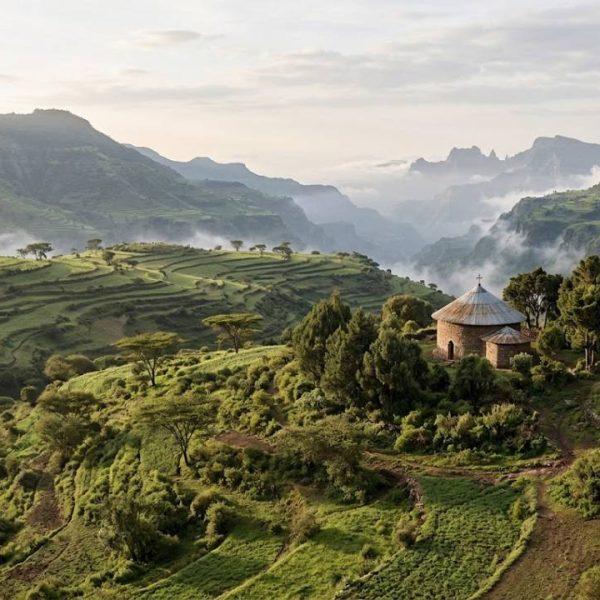
Tourism and cultural heritage, from Lalibela to the Simien Mountains, also contribute to income and national pride.
Business and Investment News
International companies are looking at Ethiopia for its large market and for logistics links in the Horn of Africa. News about licensing rules, currency regulations and incentives helps investors plan.
The World Bank Ethiopia overview publishes data on growth, poverty and reforms that give useful context for daily reports.
Politics and Regional Affairs
Ethiopia plays a central role in regional diplomacy. Developments in peace processes, elections and relations with neighbors are watched closely across Africa and beyond. Reliable reporting separates official statements from independent verification.
Be cautious with unverified social media claims, especially during sensitive events.
Daily Life, Prices and Services
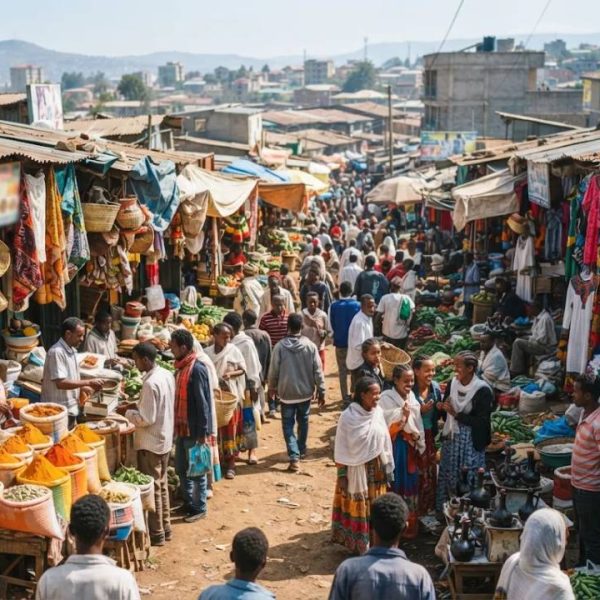
Many readers want practical information, such as fuel prices, transport, electricity, housing and food costs. Local news outlets report on markets, public services and municipal projects that affect families.
Following city administration announcements and utility updates can help residents plan.
Technology and Innovation
Startups in Addis Ababa are building payment systems, ride services, logistics tools and agricultural platforms. Mobile money and digital identity projects are expanding access to financial services.
News about internet access, regulation and data centers shows how quickly the sector is developing.
Languages and Reaching Global Readers
Ethiopia has more than eighty languages, with Amharic, Oromo, Tigrinya and Somali among the most widely spoken, and English is used in business and education. International partners, from trade missions to investors, need documents and news summaries translated accurately. Companies dealing with Chinese partners often use english to chinese translation services for contracts and market reports.
Ethiopians moving abroad for study or work can read our guide on translating documents for skilled worker programs to learn how documents are prepared for immigration offices.
Diaspora and Remittances
Millions of Ethiopians live abroad, and remittances are an important source of foreign currency. News about exchange rates, transfer channels and investment opportunities interests families and entrepreneurs.
Community media and social groups help diaspora readers stay connected to home.
How to Spot Misinformation
Check the date, the original source and whether trustworthy outlets report the same story. Beware of recycled photographs, anonymous screenshots and emotional headlines. Fact-checking organizations and professional newsrooms provide corrections.
Pause before sharing. A moment of verification protects your reputation and your community.
Culture, Sport and Society
Ethiopian music, film, coffee culture and athletics regularly feature in the news. Runners such as those from Addis Ababa and the Rift Valley regions are celebrated around the world.
Cultural news gives readers a fuller picture of the country beyond politics and economics.
Tips for Building a News Routine
Choose a few trusted outlets, subscribe to newsletters and set aside a regular time to read. Use alerts for topics that matter to you. Keep a notebook for important developments.
Balance news with long-form analysis so you understand background as well as events.
Final Thoughts
Following Ethiopia news today is easier when you combine several reliable sources, understand the economic and political context and check claims carefully.
Informed readers contribute to healthier public discussion and better decisions.
Education, Youth and Employment
A large share of the population is under thirty, and education and jobs are central concerns. News about universities, vocational training and entrepreneurship programs helps young people see options. Reports on scholarships, internships and online learning show where support is available.
Employers and training providers can use this information to build skills that match the labor market.
Agriculture, Climate and Food Security
Rainfall patterns, droughts and floods affect harvests and prices. Reports from agricultural agencies and humanitarian organizations explain risks and responses. Farmers use new seeds, irrigation and mobile advice services to improve yields.
Following these stories helps readers understand why food prices change and how communities adapt.
Energy, Transport and Infrastructure Projects
Large projects, from hydropower dams to railways and industrial parks, shape the economy and attract constant coverage. Readers look for updates on completion dates, financing, environmental effects and benefits for local communities.
Reliable coverage compares official statements with independent reports and visits to project sites, so that expectations match what is actually built.
Health, Education and Social Services
Reports about hospitals, vaccination campaigns, school construction and university reforms matter to families. Coverage that includes figures on budgets, enrollment and outcomes gives a more complete picture than announcements alone.
Community stories from clinics and classrooms show how national policy appears in everyday life.
Sport, Athletics and National Pride
Ethiopian runners are famous for marathon and track success, and sport news is followed with great enthusiasm. Training camps, national championships and international medals give young athletes role models and boost tourism.
Sports journalism also covers the business of athletics, including sponsorship, coaching and facilities.
Staying Safe While Following Sensitive Stories
Some topics involve conflict, security or political tension. Readers and journalists should respect privacy, avoid sharing graphic content and think about the consequences of reposting unverified claims.
If you work with sources in vulnerable situations, protect their identities and follow professional ethics.